Bhang has been part of Indian traditions for centuries and is most commonly associated with festivals such as Holi and Mahashivratri. Traditionally, bhang is prepared using selected parts of the cannabis plant combined with herbs, spices, nuts, and milk-based ingredients to create beverages and other preparations.
This article explains the traditional methods and cultural significance of bhang. It is intended for educational purposes and does not encourage or instruct unlawful activity. Always follow the laws and regulations applicable in your location.
The History of Traditional Bhang
Historical references suggest that bhang has been used in parts of the Indian subcontinent for generations. During traditional festivals, it has often been prepared as part of cultural celebrations and religious customs.
Today, recipes and preparation styles vary from one region to another, reflecting local traditions and culinary preferences.
Traditional Ingredients
Depending on the recipe, traditional preparations may include:
- Bhang leaves
- Milk
- Water
- Sugar or jaggery
- Almonds
- Pistachios
- Cashews
- Black pepper
- Cardamom
- Fennel seeds
- Rose petals
- Saffron
Different regions may include additional spices or flavourings.
Traditional Preparation Process
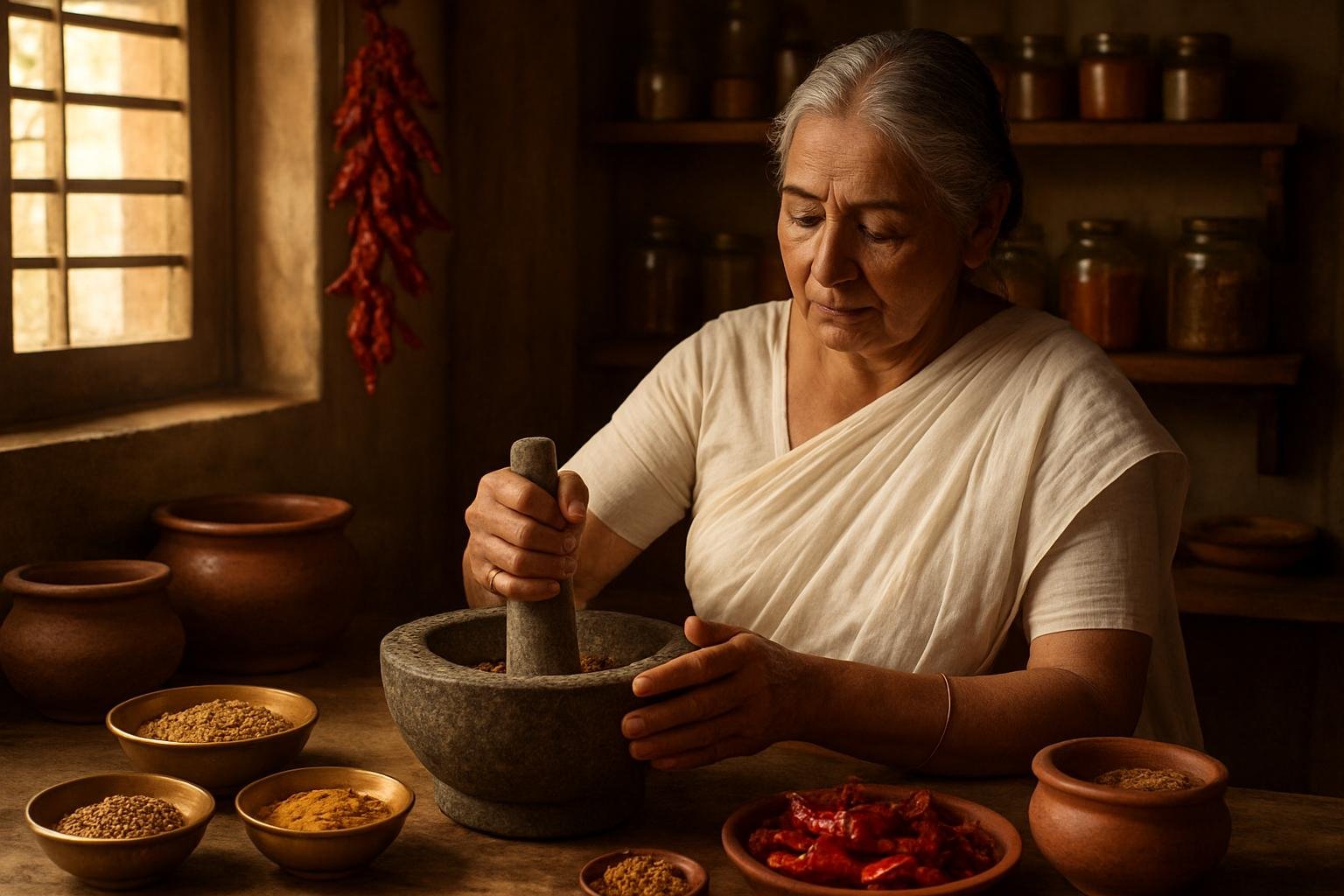
Historically, bhang was prepared using a stone grinder (sil-batta), where herbs and spices were ground into a smooth paste before being combined with milk and other ingredients.
The exact preparation varies by region and family tradition, but the process generally includes:
- Selecting fresh ingredients
- Grinding herbs and spices
- Mixing with milk or another traditional base
- Adding sweeteners and flavourings
- Straining the mixture for a smooth texture
- Serving chilled during festivals
Popular Traditional Preparations
Bhang Thandai
Bhang Thandai is a traditional festive beverage prepared with milk, nuts, aromatic spices, and flavourings. It is especially associated with Holi celebrations.
Related Article: Bhang Thandai Guide
Bhang Lassi
Bhang Lassi combines yoghurt with traditional ingredients to create a refreshing drink that is popular in some regions during festivals.
Related Article: Bhang Lassi Guide
Bhang Goli
Bhang Goli is a traditional preparation available in tablet or ball form in some regions where permitted. Its ingredients and preparation methods can vary.
Related Article: Bhang Goli Guide
Regional Variations
Across India, traditional recipes differ based on local customs.
Some regions favour sweeter preparations, while others emphasise aromatic spices or herbal flavours. These regional differences contribute to India’s rich culinary heritage.
 Bhang has been part of Indian traditions for centuries and is most commonly associated with festivals such as Holi and Mahashivratri. Traditionally, bhang is prepared using selected parts of the cannabis plant combined with herbs, spices, nuts, and milk-based ingredients to create beverages and other preparations.
This article explains the traditional methods and cultural significance of bhang. It is intended for educational purposes and does not encourage or instruct unlawful activity. Always follow the laws and regulations applicable in your location.
The History of Traditional Bhang
Historical references suggest that bhang has been used in parts of the Indian subcontinent for generations. During traditional festivals, it has often been prepared as part of cultural celebrations and religious customs.
Today, recipes and preparation styles vary from one region to another, reflecting local traditions and culinary preferences.
Traditional Ingredients
Depending on the recipe, traditional preparations may include:
Bhang leaves
Milk
Water
Sugar or jaggery
Almonds
Pistachios
Cashews
Black pepper
Cardamom
Fennel seeds
Rose petals
Saffron
Different regions may include additional spices or flavourings.
Traditional Preparation Process
Historically, bhang was prepared using a stone grinder (sil-batta), where herbs and spices were ground into a smooth paste before being combined with milk and other ingredients.
The exact preparation varies by region and family tradition, but the process generally includes:
Selecting fresh ingredients
Grinding herbs and spices
Mixing with milk or another traditional base
Adding sweeteners and flavourings
Straining the mixture for a smooth texture
Serving chilled during festivals
Popular Traditional Preparations
Bhang Thandai
Bhang Thandai is a traditional festive beverage prepared with milk, nuts, aromatic spices, and flavourings. It is especially associated with Holi celebrations.
Related Article: Bhang Thandai Guide
Bhang Lassi
Bhang Lassi combines yoghurt with traditional ingredients to create a refreshing drink that is popular in some regions during festivals.
Related Article: Bhang Lassi Guide
Bhang Goli
Bhang Goli is a traditional preparation available in tablet or ball form in some regions where permitted. Its ingredients and preparation methods can vary.
Related Article: Bhang Goli Guide
Regional Variations
Across India, traditional recipes differ based on local customs.
Some regions favour sweeter preparations, while others emphasise aromatic spices or herbal flavours. These regional differences contribute to India’s rich culinary heritage.
Traditional Serving Occasions
Bhang has historically been associated with:
Holi
Mahashivratri
Religious gatherings
Cultural festivals
Traditional celebrations
Storage Guidelines
Prepared beverages are generally intended for prompt consumption, while packaged products should be stored according to the manufacturer’s instructions.
For packaged items:
Store in a cool, dry place.
Keep away from direct sunlight.
Keep out of the reach of children and pets.
Follow the expiry date and storage guidance provided on the packaging.
Frequently Asked Questions
What ingredients are commonly used in traditional bhang?
Recipes often include milk, nuts, spices, sweeteners, and selected plant ingredients, although preparations vary by region.
Is every recipe the same?
No. Traditional recipes differ significantly across India based on local customs and family traditions.
Which festivals are associated with bhang?
Bhang has traditionally been linked with festivals such as Holi and Mahashivratri in some regions.
What is the difference between Bhang Thandai and Bhang Lassi?
Both are traditional beverages, but Thandai is milk-based with nuts and spices, whereas Lassi is yoghurt-based.
Can regional recipes vary?
Yes. Ingredients, flavours, and preparation techniques often differ between regions.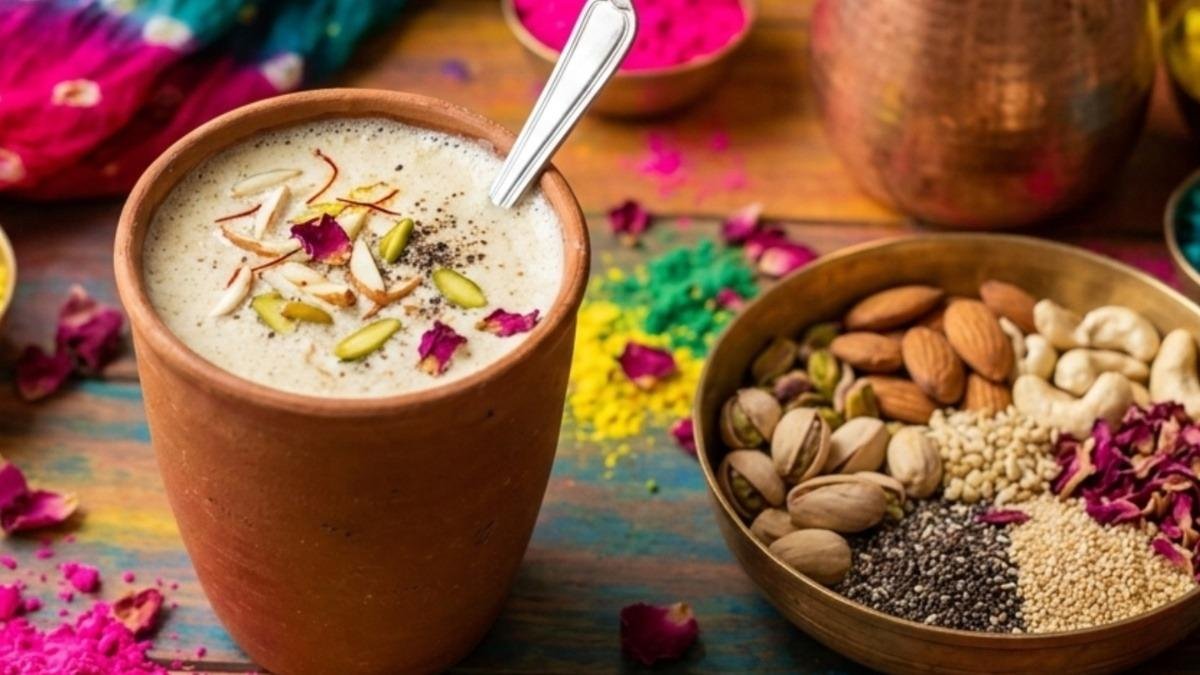
Traditional Serving Occasions
Bhang has historically been associated with:
- Holi
- Mahashivratri
- Religious gatherings
- Cultural festivals
- Traditional celebrations
Storage Guidelines
Prepared beverages are generally intended for prompt consumption, while packaged products should be stored according to the manufacturer’s instructions.
For packaged items:
- Store in a cool, dry place.
- Keep away from direct sunlight.
- Keep out of the reach of children and pets.
- Follow the expiry date and storage guidance provided on the packaging.
Frequently Asked Questions
What ingredients are commonly used in traditional bhang?
Recipes often include milk, nuts, spices, sweeteners, and selected plant ingredients, although preparations vary by region.
Is every recipe the same?
No. Traditional recipes differ significantly across India based on local customs and family traditions.
Which festivals are associated with bhang?
Bhang has traditionally been linked with festivals such as Holi and Mahashivratri in some regions.
What is the difference between Bhang Thandai and Bhang Lassi?
Both are traditional beverages, but Thandai is milk-based with nuts and spices, whereas Lassi is yoghurt-based.
Can regional recipes vary?
Yes. Ingredients, flavours, and preparation techniques often differ between regions.