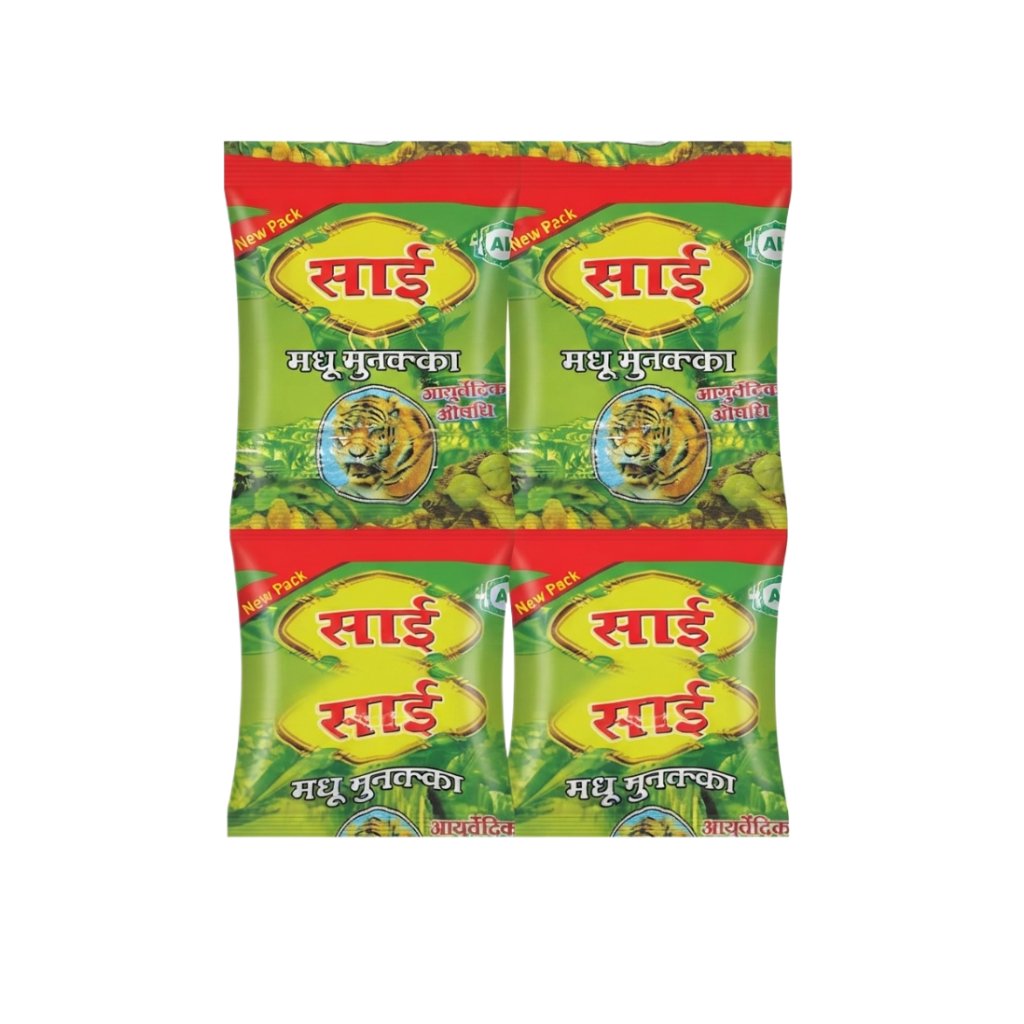
Madhu Munakka: Traditional Preparation and General Information
Madhu Munakka is a traditional Ayurvedic preparation that has been mentioned in historical texts and cultural discussions in India. It is commonly associated with preparations containing bhang, which has been used in certain religious, cultural, and traditional practices for centuries. Today, many people search online to learn about Madhu Munakka, its traditional background, ingredients, and historical significance rather than for promotional purposes.
The term bhang generally refers to preparations made from the leaves of the cannabis plant. The bhang plant has a long history in South Asian traditions and has been referenced in festivals, folklore, and classical Ayurvedic literature. While these historical references exist, the legal status of bhang and cannabis products varies depending on the country, state, and local regulations. Anyone seeking information should always consult the laws applicable in their area.
Many people also search for bhang in English to better understand the terminology. In English, bhang is commonly described as a traditional cannabis preparation, usually made from the leaves and sometimes other parts of the cannabis plant. It differs from many modern cannabis products because it has unique cultural and historical contexts in India.
Madhu Munakka is often described as combining raisins (munakka), honey, and other traditional ingredients in formulations discussed in Ayurvedic contexts. Historical descriptions suggest that these preparations were developed according to traditional methods and were intended to be used under appropriate guidance. Modern consumers should remember that historical or traditional use does not automatically establish safety, effectiveness, or suitability for everyone.
People frequently search online using phrases such as bhang near me when looking for information about local availability or licensed vendors. However, availability depends entirely on regional laws and government regulations. In some locations, certain bhang products may be legally available through authorized outlets, while in many others they may not be available at all. Before purchasing or consuming any cannabis-related preparation, it is important to verify the legal requirements in your jurisdiction.
Another common search term is bhang shop. Historically, authorized shops in some regions have sold traditional bhang products where permitted by law. Today, consumers should ensure that any purchase is made only from legally authorized and regulated businesses. Buying products from legitimate sources helps improve transparency regarding ingredients, labeling, and quality standards where such regulations exist.
Interest in the bhang plant continues to grow because of its historical, botanical, and cultural significance. Researchers study cannabis for various scientific purposes, while historians examine its role in traditional ceremonies and medicine. These different perspectives contribute to a broader understanding of the plant beyond popular culture.
As awareness increases, many people also seek educational information about bhang in English to understand the differences between traditional Indian preparations and other cannabis products found internationally. Learning about terminology, cultural history, and legal distinctions can help readers make informed decisions based on reliable information rather than misconceptions.
If you are researching Madhu Munakka, it is advisable to consult trustworthy educational resources and qualified healthcare professionals for guidance. Individuals who are pregnant, breastfeeding, have certain medical conditions, or take prescription medications should be especially cautious with any cannabis-related product. Traditional preparations may interact with medications or may not be appropriate for everyone.
Overall, Madhu Munakka represents an interesting part of India’s traditional heritage and continues to attract attention from people interested in Ayurveda, cultural history, and the historical use of bhang. Whether someone is searching for information about the bhang plant, trying to understand bhang in English, looking for a licensed bhang shop, or searching bhang near me, it is essential to rely on accurate information, respect local laws, and prioritize safety. Understanding the cultural and historical background provides valuable context while encouraging informed and responsible decision-making.
How to Use / Dosage
Recommended dosage: 1 to 2 goli per session, as guided by Ayurvedic health experts. First-time users should begin with 1 goli to assess individual response before adjusting.
Best time to consume: Evening or after meals for relaxation and digestive support.
How to take: Consume directly or chew slowly. Pair with warm milk or water for enhanced absorption and a traditional experience.
Important: This product is intended for adults only. Keep out of reach of children. Do not consume before driving or operating machinery. Consume responsibly.
sskk –
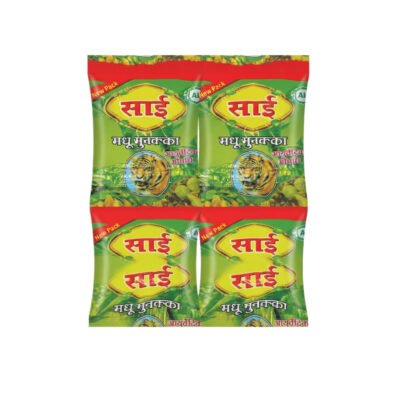
Sai Madhu Munakka pack
D.R TARUN –
Sai Madhu pack received thank
Sanjay Gupta –
Product received safely. Quality is exactly as expected.