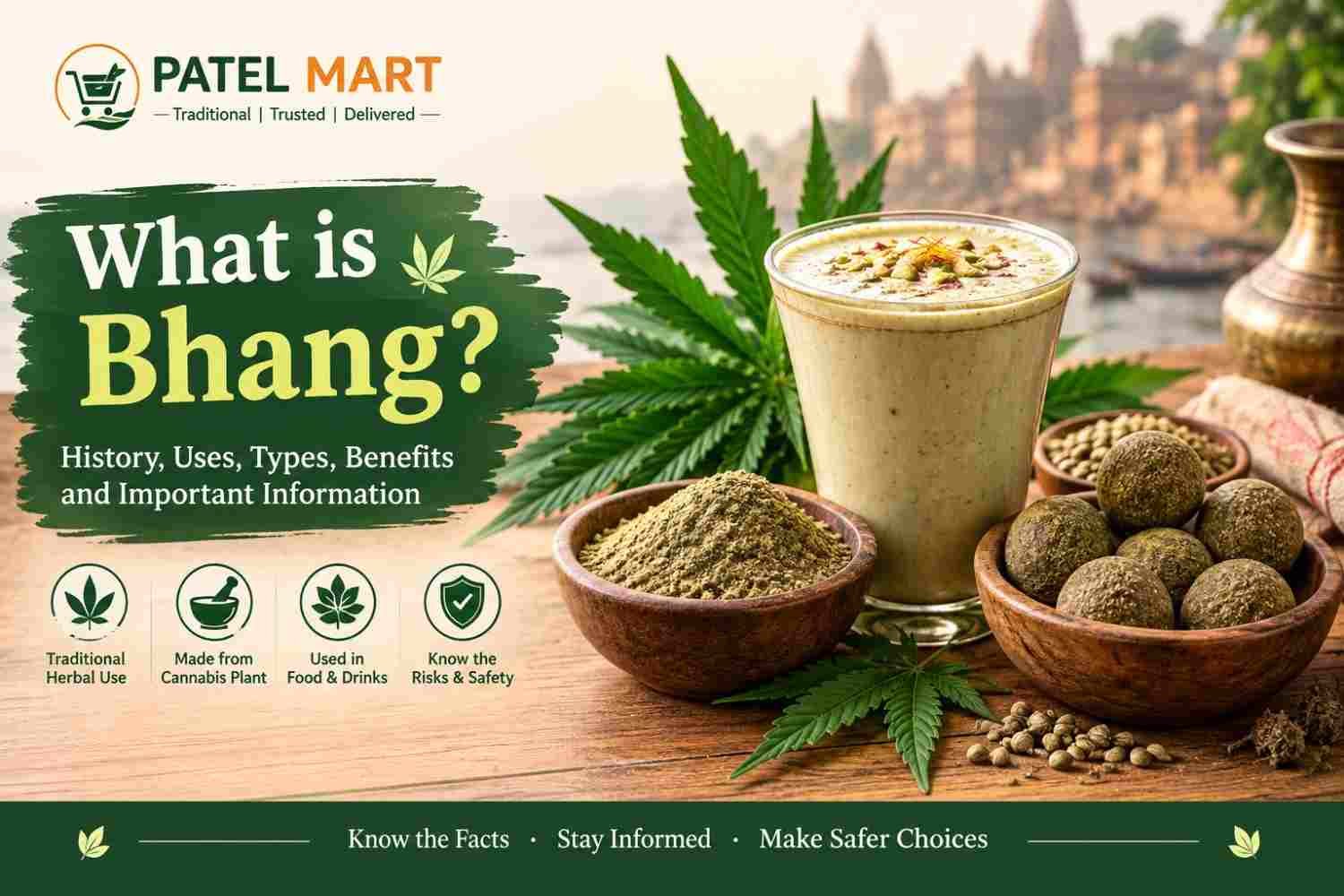
Bhang is a traditional cannabis preparation most often associated with South Asian cultural and festive contexts, especially in India. If you came here from a local search, you may want a product name, menu item, or phrase.
Bhang is a traditional preparation linked to the cannabis plant. It often uses cannabis leaves and sometimes other plant parts. People can make it into food, drink, paste, or similar forms.
The key point is simple. Meanings, ingredients, and rules can change by region, seller, and context. Because bhang links to cannabis, you need basic safety awareness.
Read labels carefully and do not assume its strength. Also, remember edible or drinkable cannabis can have delayed effects. (cdc.gov)
What Is Bhang?
Bhang is a traditional preparation linked to the cannabis plant. It often uses cannabis leaves and sometimes other plant material. You can prepare it as food, a drink, a paste, or a similar form. In plain language, bhang does not simply mean “weed” or a smoking device.
It refers to a culturally specific cannabis preparation.
Its exact form can vary by place and use.
Historical descriptions identify bhang as an Indian name connected with hemp or cannabis and especially with prepared leaves. (en.wikisource.org)
The phrase “what is bhang” can have several layers of intent. Some readers want the English meaning, others want to know the plant source, and others are trying to understand bhang effects or safety. The most accurate answer is to treat bhang as a traditional term first.
It is not a universal product category with one fixed recipe everywhere.
What Is Bhang Made Of?
People traditionally associate bhang with the cannabis plant, particularly its leaves, though descriptions can vary by region and context. Some explanations separate bhang from ganja and often link ganja to flowering tops.
It also remains separate from charas, which links to resin.
However, in everyday use, people may mix up these terms. That is why we should not treat related cannabis words such as bhang, weed, ganja, charas, and bong as interchangeable.
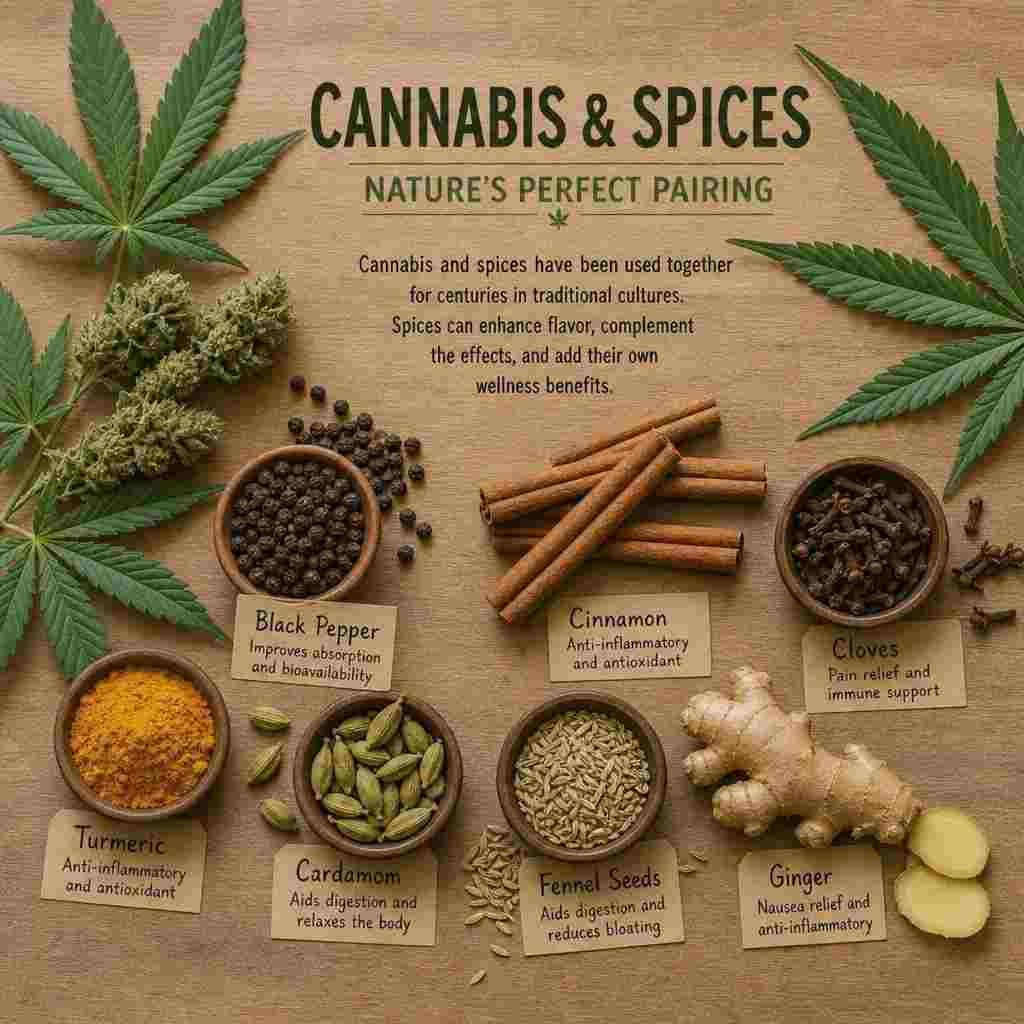
If you are looking at a modern product, do not rely on the name alone. Check the product name, ingredient list, serving information, and labels carefully. A drink, sweet, capsule, powder, or herbal product may use familiar cultural terms but differ in contents, strength, or purpose.
 What Is Bhang Called in English?
In English, bhang is usually best described as a traditional cannabis preparation rather than translated into one perfect equivalent. People often use the word itself directly because it carries cultural, regional, and ingredient-specific meaning. Calling it only “marijuana,” “weed,” or a “cannabis drink” may be too broad.
Calling it a “bong” is incorrect. A bong is a device, not a preparation.
Meanings vary by region and context, so careful checking matters. If a menu, label, shop listing, or article uses the word bhang, check the ingredients first.
Read the description before you decide what it means. This is very important for local searches, because a term used in India may mean something else elsewhere.
Bhang Leaves, Patta and Pata
In many South Asian languages, words like “patta” or “pata” can mean a leaf. Searches for bhang leaves, bhang patta, or bhang pata often refer to the plant material used. People still best understand bhang as a traditional cannabis preparation, not just any random leaf or herb.
Historical and public health sources describe cannabis as a plant. Its leaves, flowers, stems, and seeds appear in many products. This is one reason the terminology can be confusing. (drugabuse.gov)
Use these search terms as clues, not guarantees. Regional language, spelling differences, and informal labeling can all change what a phrase appears to mean. When in doubt, check the product name, ingredients, and label details. Remember that related cannabis terms can mean different things.
Which Plant Is Bhang Made From?
Bhang comes from the cannabis plant. Botanical and public health sources often call it *Cannabis sativa* L. Traditional descriptions link bhang to cannabis leaves. Other cannabis terms may refer to other plant parts or forms.
That distinction matters because “bhang,” “weed,” and “bong” mean different things. They refer to a preparation, a slang term for cannabis, and a device for smoking. (drugabuse.gov)
Still, the exact meaning can vary by region and context. A traditional reference might describe something different.
A festival drink might be different too.
A labeled store item may refer to something else.
An online recipe might describe yet another thing. The practical habit is simple: check names, ingredients, labels, serving information, and local rules before making assumptions.
Bhang in India and Regional Language Terms
Bhang is strongly associated with India and South Asian traditions, including festive and cultural contexts. Reports and historical sources describe bhang as one of several cannabis preparations in the region.
Other terms include ganja and charas. Each term has a different meaning. (unodc.org)
Regional terms can be helpful, but they can also mislead if you treat them as universal. A word used in Hindi, Urdu, Punjabi, Bengali, or another language can change.
Different communities may spell it differently.
People may also pronounce it differently.
Its meaning can change too. If you read a label or ask about a local product, check what the term means.
It may refer to leaves, a drink, a sweet, a paste, or another form.
Bhang Effects and Safety Considerations
Bhang effects can vary because cannabis-containing foods and drinks are not the same as smoked products. Edible or drinkable cannabis products may take longer to feel. This delay can lead people to consume more than intended.
The CDC notes that eating or drinking cannabis can take longer to have an effect and may increase the chance of consuming too much. (cdc.gov)
A cautious approach includes:
- Do not guess potency. Traditional names do not tell you strength.
- Read labels carefully. Look for ingredients, serving size, and warnings.
- Avoid mixing with alcohol or other substances. Combined effects can be harder to predict.
- Keep products away from children and pets. Cannabis edibles and drinks may resemble ordinary food.
- Know your local rules. Cannabis laws and product standards vary widely by location.
- Seek medical help if severe symptoms occur. If someone is in immediate danger, contact emergency services or poison control.
-
-
Bhang leaves
₹449.00 – ₹2,199.00Price range: ₹449.00 through ₹2,199.00
Select options
This product has multiple variants. The options may be chosen on the product page
-
Herbal Bhang Goli
₹320.00 – ₹599.00Price range: ₹320.00 through ₹599.00
Select options
This product has multiple variants. The options may be chosen on the product page
-
-
-
-
-
-
-
-
-
Frequently Asked Questions
Is bhang the same as weed?
No. “Weed” is a broad slang word for cannabis.
Bhang is a traditional cannabis preparation.
Its meaning can vary by region and context. You should still check a product called bhang for its ingredients, label, and intended use.
Is bhang the same as a bong?
No. Bhang is a preparation associated with the cannabis plant, while a bong is a device used for smoking. The similar sound of the words can confuse searchers, but they do not mean the same thing.
Does bhang always have the same ingredients?
No. Traditional bhang is associated with cannabis, especially leaves in many descriptions, but recipes and product meanings vary. Always check product names, ingredients, and labels carefully rather than assuming one fixed formula.
Why do people search for bhang meaning locally?
People may see the word on a menu, hear it at a festival, read it in regional speech, or find it on a label. Local context matters because people in different places and sellers use the same term differently.
Key Takeaway
Bhang is best understood as a traditional cannabis preparation with cultural roots, regional language connections, and variable meanings. This is not the same as weed in general, not the same as a bong, and not something to identify by name alone. For the clearest understanding, focus on context, plant source, ingredients, labels, and safety before drawing conclusions.
Explore Patel Mart’s Product Categories –
Patel Mart offers a range of traditional and herbal products. Explore our different categories to find the product that best suits your needs:
For more information,
product details, and available options, visit the relevant Patel Mart product category.